You've probably heard the health warnings a hundred times. What gets talked about less is how good the other side actually feels. The benefits of not drinking alcohol aren't just a distant, clinical win for your liver twenty years from now, they show up in ways you can feel this week: in your sleep, your skin, your energy, your mood, and your bank balance. Here's what tends to change, and roughly when.
How soon do the benefits of not drinking alcohol show up?
Faster than most people expect. Some of the shift starts within days: your body isn't fighting off a nightly dose of a sedative anymore, so your sleep architecture, your hydration, and your digestion all get a chance to reset. Other changes, like skin tone or a genuinely lighter mood, tend to build over two to six weeks as new habits settle in.
A lot of what you'll find searching for quit drinking health benefits reads like a lab report: liver enzymes, blood pressure, cholesterol. All true, all useful, but it can feel distant from your actual Tuesday. There's no single "before and after quitting drinking" photo that captures it either, because the benefits stack. Better sleep feeds better energy. Better energy makes it easier to move your body and eat well. That makes your skin and mood improve too. For a closer look at the physical timeline, hour by hour and week by week, here's what happens when you stop drinking. This article is more about the day-to-day, lived-in version of that story.
Better sleep, more real energy
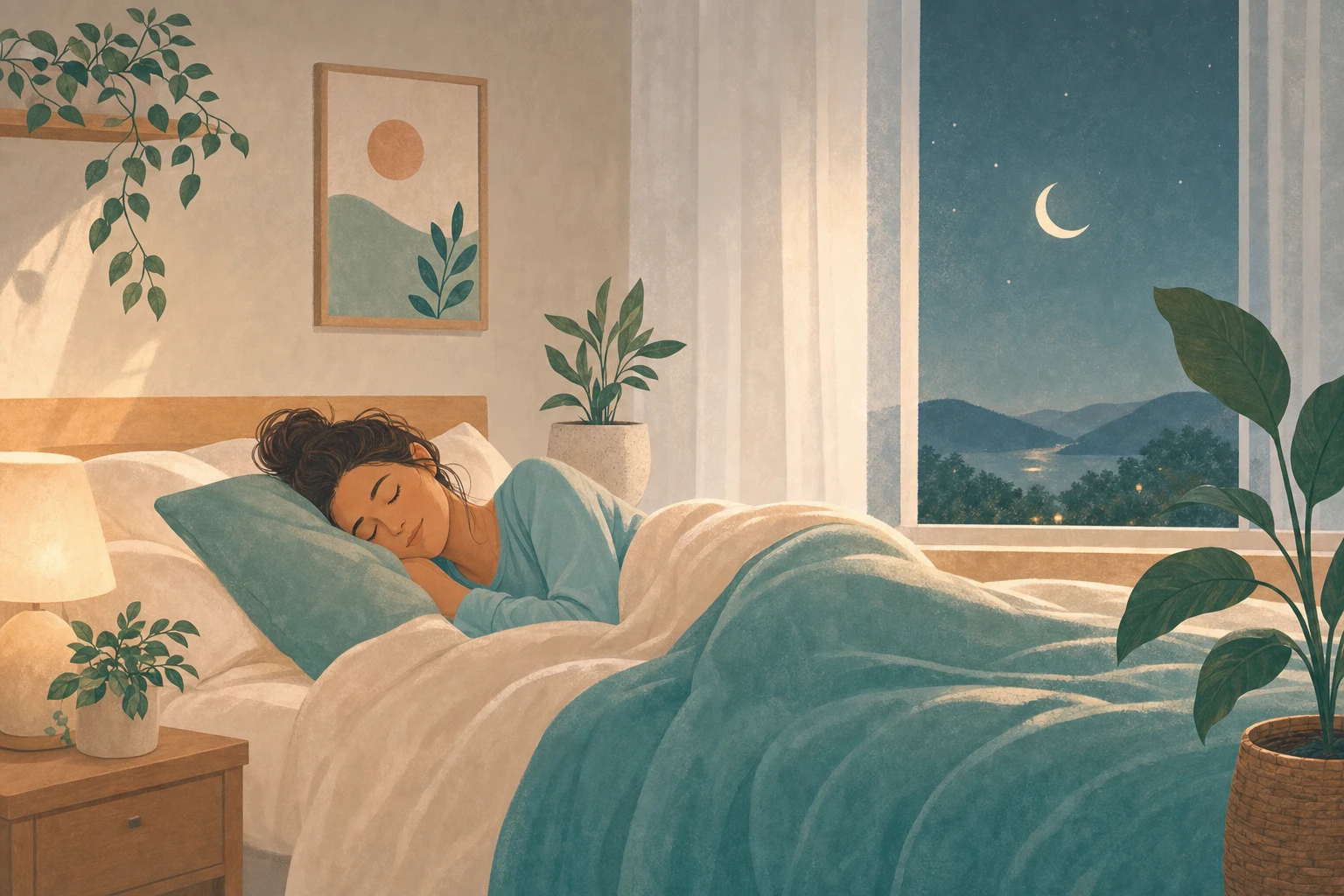
Alcohol feels like it helps you fall asleep, but it fragments the second half of the night. It suppresses REM sleep, the phase your brain needs for memory, mood regulation, and feeling rested. Cut it out, and within a couple of weeks, many people notice they're sleeping more deeply and waking up without that familiar 3am jolt.
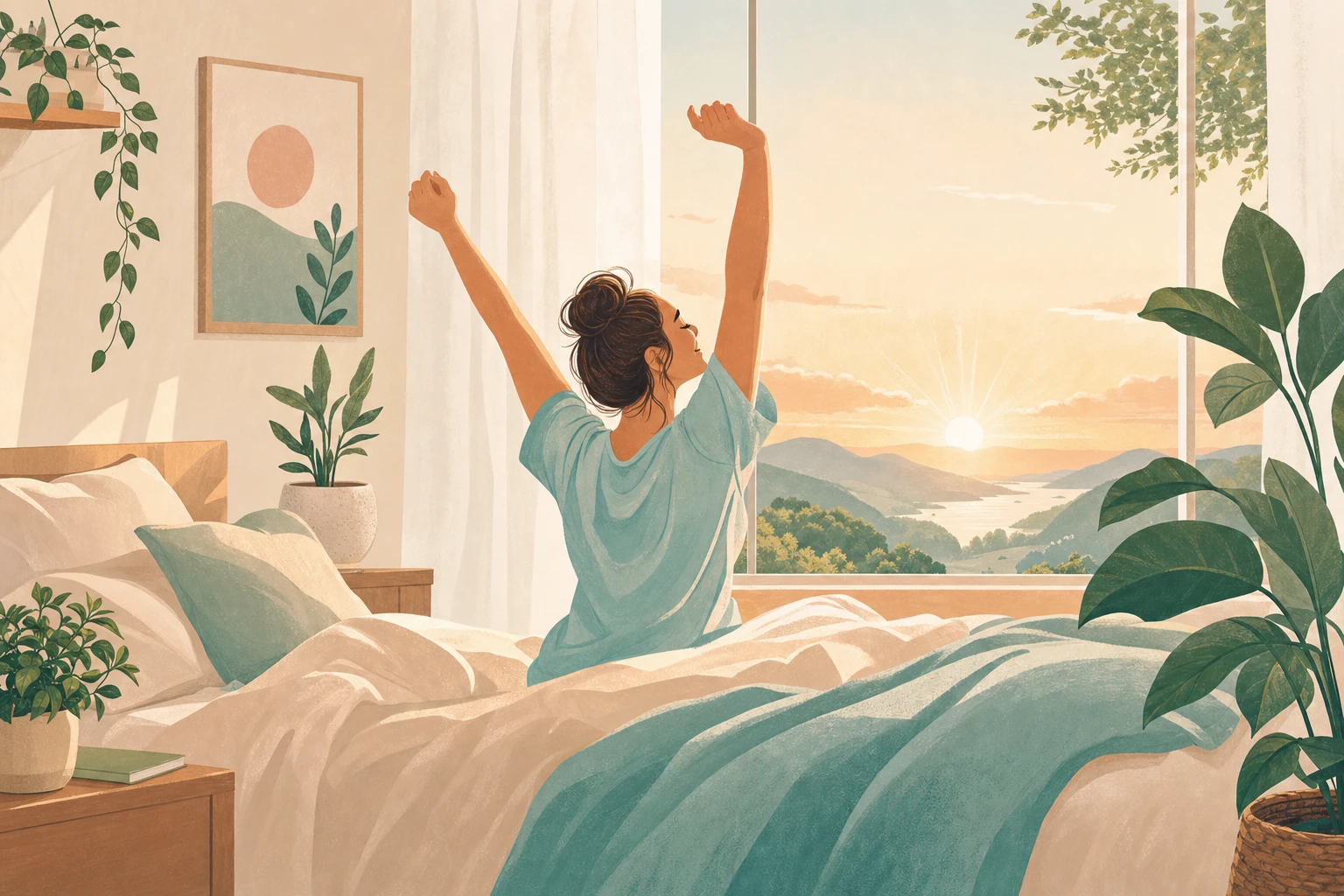
That deeper sleep is where the "more energy" part of sober benefits actually comes from. It's not a supplement or a hack, it's just your nervous system finally getting the recovery it was missing. Mornings tend to feel less like a slow crawl out of fog and more like, well, mornings. If sleep is the part you're most curious about, why alcohol wrecks your sleep, and when it gets better goes into more depth on the science.
Clearer skin and a lighter feeling in your body
Alcohol dehydrates you and disrupts your gut and liver function, both of which show up on your face. A lot of people notice their skin looking less puffy, less flushed, and generally brighter within a few weeks of stopping. Some of that is simple hydration. Some of it is your liver, which processes toxins and helps regulate inflammation, no longer working overtime every evening.
You may also feel less bloated. Alcohol is calorie-dense and often paired with salty food, and it can irritate your digestive lining, so cutting it out often means less puffiness and a lighter, less inflamed feeling generally, not just around your middle.
A calmer mood and a clearer mind
This one surprises people the most. Alcohol is a depressant, and it disrupts the same brain chemistry involved in anxiety and mood regulation. Many people drink partly to relax, but the rebound effect the next day, or even a few hours later, often quietly feeds the very anxiety they were trying to soothe.
Without that cycle, a lot of people describe feeling steadier. Not euphoric, just steadier: less reactive, more able to sit with a hard feeling instead of numbing it. Mental clarity tends to build gradually over the first month, as your brain stops budgeting attention around when your next drink is or how you'll feel the next day. Decisions get a little easier. Conversations feel a little more present.
Does quitting drinking help with weight?
Often, yes, though it's rarely dramatic overnight. Alcohol is calorie-dense with essentially no nutritional value, and it also lowers your inhibitions around food, which is why a night of drinking so often ends with something greasy at 1am. Quit drinking weight loss isn't automatic or guaranteed, your body and habits matter too, but removing hundreds of "invisible" calories a week, along with steadier sleep and less stress-eating, is a big part of why many people notice their weight and energy shift together over the following months.
If weight loss is your main goal, it helps to focus on the habits underneath it (sleep, movement, how you're eating) rather than expecting the scale to move purely because alcohol is gone.
The money adds up faster than you think
This is the benefit people underestimate the most. Even a modest drinking habit adds up over a month, between the drinks themselves, the delivery food that follows, and the things you buy when your judgment is a little looser. Multiply that by a year and it's often a genuinely large number.
Many people find that simply watching the total climb, day by day, is motivating in a way that abstract health benefits aren't. It's concrete. It's yours. It can go toward something you actually want instead of quietly disappearing.
What you can do tonight
You don't need a complete life overhaul to start noticing these changes. Tonight, that might just mean going to bed without a drink and paying attention to how you sleep. Tomorrow, it might mean noticing your energy at 3pm instead of reaching for it. If a craving shows up along the way, these are five things that help in the moment that many people lean on.
If it helps, Sober Days quietly counts your days and the money you're saving, right on your phone, so you can watch the benefits add up without having to keep track yourself.
When to see a doctor
Everything above describes what most people experience when they cut back or stop drinking. But if you've been drinking heavily, every day or nearly every day, for a long time, please don't stop abruptly on your own. Withdrawal from alcohol can be more than uncomfortable, in some cases it's dangerous, and a doctor can help you do it safely, sometimes with medication or supervision that makes the whole process gentler.
Watch for warning signs like severe shaking, heavy sweating, a racing heart, confusion, hallucinations, or seizures in the first hours or days after stopping. These are medical emergencies, get help right away. If you're in the US, SAMHSA's National Helpline (1-800-662-4357) is free, confidential, and available anytime; in the UK, your GP or NHS alcohol services can point you toward the right support. Wherever you are, your regular doctor is a good place to start if you're not sure how heavy your drinking has been or what a safe way to cut back looks like for you.
This article is meant to inform, not to replace medical advice. If anything here raises a question about your own health, a doctor is always the right next call.
You don't have to get everything right immediately. The benefits of not drinking alcohol tend to arrive quietly and stack on top of each other, and most people find that once a few of them show up, they're worth protecting.
Sources